Bryan Stevenson, a Black, American, multi-award-winning lawyer, author, public speaker and advocate for justice system reform, talked to Ezra Klein the day before this year’s 4th of July Independence celebrations. What he said about his relationship with the Atlantic Ocean was heart-breaking. And sobering. The interview is called The Real Stakes of the American Story.
Readers of this column will know that an ancestor of mine survived Titanic after it collided with an iceberg in the Atlantic, but Stevenson’s relationship with the Atlantic tells a very different, much older and much more horrifying story.
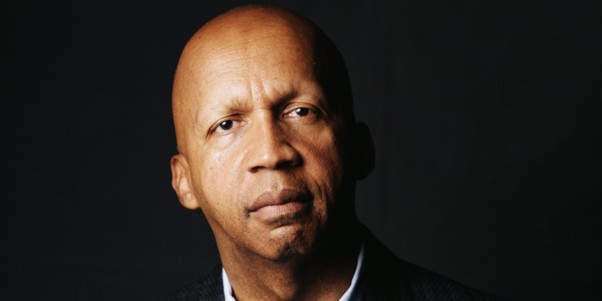
In his interview with Klein, Stevenson said:
I grew up on the ocean, the Atlantic ocean. [It] was the beach … the place to go. [But when] I went to Africa for the first time … this young lawyer … took me to the [African] beach. It was dark. You could see the moon shining across the ocean … . When … I looked over at him he was crying. He [said] … ‘I brought you here because I wanted to tell you, “I’m sorry. This is where we lost you”.’
For the first time in my life I realised I was standing on the other side of this Ocean that separated me from everything that’s important about me. My identity, my culture, my history was all taken from me by the Atlantic Ocean. … It hit me hard. And it changed my relationship to the Atlantic Ocean. When I got back here [America] I realised that that body of water needed to be understood more honestly. We’ve spent millions of dollars looking for trinkets from the Titanic in the Atlantic. [But] we haven’t spent hardly anything to reckon with the two million bodies that are buried in the bottom of that Ocean [my bold].
I still love the beach. I still see it as a place of beauty. But I also see this need to help others understand the harm that was caused by moving millions of people off their land, their place, their space. It’s … unprecedented in human history.
The text above is shortened, the full interview is here.
And below is a video link to the full interview (2’23”).